How to Choose the Right PTO Pump for a Truck Mounted Crane? Key Factors to Consider
Release time: 2026-09-21
Table of Contents
A truck mounted crane depends on its hydraulic system for almost every major movement, from lifting and lowering the boom to extending sections and operating attachments. At the center of this system is the PTO pump, which transfers power from the truck’s drivetrain to generate hydraulic flow for the crane. Choosing the wrong pump can lead to slow movements, excessive heat, inefficient operation, or unnecessary wear on hydraulic components.
The challenge is that there is no universal pump that works for every truck mounted crane. The right choice depends on the truck, transmission, PTO unit, crane size, hydraulic requirements, and the type of work being performed. When comparing a PTO pump, it is therefore more useful to look at the complete hydraulic setup rather than focusing on one specification. Understanding flow rate, working pressure, displacement, rotation speed, and installation requirements can make the selection process much easier.
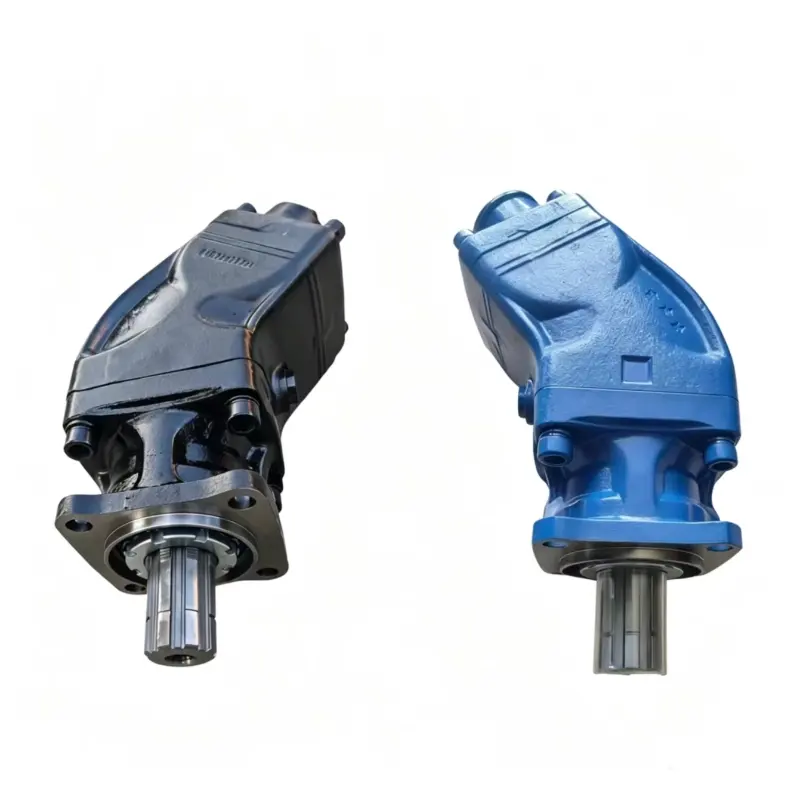
Match the Pump to the Crane’s Hydraulic Requirements
The first step is to understand what the crane actually needs from its hydraulic system. Different cranes have different requirements depending on lifting capacity, boom length, operating speed, and the hydraulic functions they support. A compact crane used for occasional material handling does not necessarily need the same hydraulic output as a larger unit working continuously on construction sites.
Flow rate and pressure are two of the most important specifications to consider. Flow rate generally affects how quickly hydraulic cylinders and motors can operate, while pressure is related to the force the system can generate. However, choosing the highest available figures is not automatically better. An oversized pump can place additional demands on the truck’s drivetrain and hydraulic system, while an undersized pump may struggle to provide the performance the crane requires.
Understand Flow Rate and Working Pressure
When selecting a crane PTO pump, start by checking the crane manufacturer’s recommended hydraulic flow and pressure range. These specifications provide a useful starting point for matching the pump with the existing system.
A pump with insufficient flow may make crane movements noticeably slower, especially when several hydraulic functions are used during demanding operations. On the other hand, excessive flow can increase heat generation and may require additional cooling capacity. Working pressure also needs to match the rated pressure of the hydraulic components. The pump, valves, cylinders, hoses, and motors should all be capable of handling the system’s operating conditions.
The goal is not to maximize one number. It is to achieve a balanced combination of flow and pressure that allows the crane to work efficiently without placing unnecessary stress on the hydraulic system.
Check Pump Displacement and PTO Speed
Pump displacement is another specification that deserves attention. It describes how much hydraulic fluid the pump can theoretically move during each revolution. Combined with pump speed, displacement has a direct relationship with hydraulic flow.
This becomes particularly important because the pump is driven through the truck’s PTO system. If the PTO output speed does not match the pump’s operating range, the hydraulic system may not perform as expected. Running a pump faster than its recommended speed can also contribute to premature wear, noise, or excessive heat.
Before purchasing, confirm the PTO output speed, pump rotation direction, displacement, and recommended operating speed. These details should be checked against the truck’s transmission and the crane’s hydraulic requirements. A pump that looks suitable on paper may still be unsuitable if its operating characteristics do not match the vehicle’s PTO configuration.
Consider the Truck and Transmission
The crane is only one part of the equation. The truck itself has a major influence on which pump can be installed and how it will operate.
Start with the truck model, engine configuration, transmission, and PTO type. Different transmissions can require different PTO arrangements, mounting patterns, or output characteristics. Available installation space can also become a practical limitation, especially when the truck already has other hydraulic components installed.
The connection between the PTO and pump must be mechanically compatible, while the hydraulic connections must match the existing hoses and fittings. It is also important to consider how the hydraulic system is routed and where the pump will be mounted. Taking these details into account before ordering can prevent installation problems and reduce the need for modifications later.
Choose the Pump According to the Working Conditions
The type of work should also influence the choice. A crane used occasionally for loading building materials may have very different operating requirements from one used for daily construction, equipment handling, or heavy-duty lifting.
Frequency matters because a component that performs well during short operating cycles may face very different demands during continuous work. Ambient temperature, load patterns, required operating speed, and the number of hydraulic functions used at the same time can all affect the hydraulic system.
For demanding applications, reliability and thermal management deserve particular attention. A properly matched PTO hydraulic pump can help the system deliver consistent hydraulic power while reducing unnecessary strain. The objective is not simply to make the crane move faster, but to maintain predictable performance throughout normal working conditions.
Avoid Common PTO Pump Selection Mistakes
One common mistake is choosing a pump based only on its maximum pressure. Pressure is important, but it does not tell you whether the pump will deliver the required flow at the correct speed. Another mistake is ignoring the relationship between the PTO, transmission, and pump rotation.
Some buyers also focus too heavily on the initial purchase price. A cheaper pump may not be the most economical choice if it requires additional modifications, delivers unsuitable hydraulic output, or causes problems elsewhere in the system.
Before making a decision, check the pump’s flow, pressure, displacement, rotation, mounting dimensions, shaft or connection type, and compatibility with the truck’s PTO. It is also worth confirming whether the supplier can provide technical documentation and help verify the pump against your specific crane and vehicle configuration.
What Information Should You Provide Before Buying?
If you are not sure which pump is suitable, providing complete equipment information to the supplier can make the process much easier. Useful details include the truck make and model, transmission type, PTO model, crane model, lifting capacity, hydraulic flow requirements, working pressure, and existing pump specifications.
Photos of the current installation can also help identify mounting arrangements and hydraulic connections. If you are replacing an existing pump, the original model number and nameplate information are particularly useful.
The more complete the information, the less likely you are to end up with a pump that requires unexpected modifications. For a truck mounted crane, pump selection should always be treated as part of the complete power and hydraulic system rather than as an isolated component purchase.
Make the Whole Hydraulic System Work Together
Choosing the right PTO pump is ultimately about compatibility. The pump needs to work with the truck’s transmission and PTO, while also meeting the hydraulic requirements of the crane. Flow, pressure, displacement, rotation speed, mounting dimensions, and working conditions all need to be considered together.
A well-matched pump can provide the hydraulic output required for smooth crane operation without unnecessarily increasing the load on the vehicle or other hydraulic components. Before purchasing, take the time to confirm the technical specifications and provide the supplier with accurate information about the truck and crane.
For buyers replacing an existing unit or building a new hydraulic setup, this approach can save time and avoid costly compatibility problems. Instead of simply choosing the pump with the largest numbers or lowest price, focus on finding the one that fits the entire system and the actual work the crane needs to perform.
FAQ
What does a PTO pump do on a truck mounted crane?
It uses mechanical power from the truck’s drivetrain to generate hydraulic flow for operating the crane’s hydraulic functions.
How do I know what size pump I need?
Check the crane’s required hydraulic flow and pressure, then match them with the PTO output speed and the pump’s displacement.
Can any PTO pump work with a truck mounted crane?
No. The pump must be compatible with the truck’s PTO, transmission, hydraulic system, mounting arrangement, and crane requirements.
What happens if the pump is incorrectly matched?
The crane may operate too slowly, generate excessive heat, experience inefficient hydraulic performance, or place unnecessary stress on the drivetrain and hydraulic components.