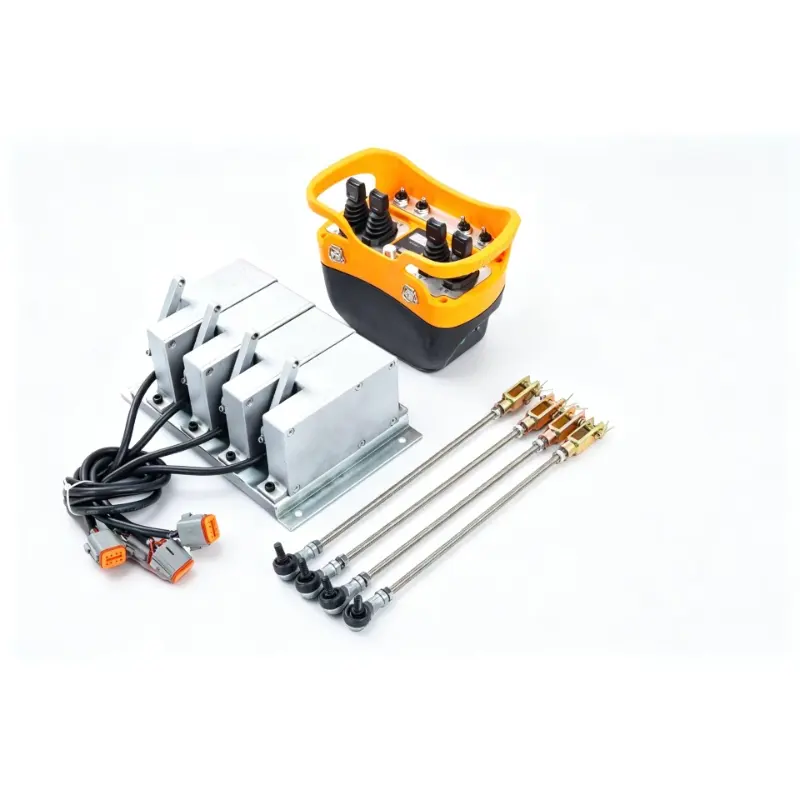
What Should You Consider When Choosing the Right Wireless Crane Control?
Release time: 2026-08-05
Table of Contents
Introduction
Modern industrial operations require lifting equipment that is safer, more flexible, and easier to operate. As factories, warehouses, and heavy industries continue to improve their material handling processes, traditional crane operation methods are gradually being upgraded with more advanced control solutions.
Wireless Crane Control provides a more flexible way to operate cranes by allowing operators to control lifting equipment remotely. It helps improve operational convenience, optimize working conditions, and support more efficient crane operations in different industrial environments.
However, choosing the right Wireless Crane Control solution requires careful consideration. Factors such as communication stability, control distance, equipment compatibility, working environment, and safety features all affect the performance and reliability of the control system.
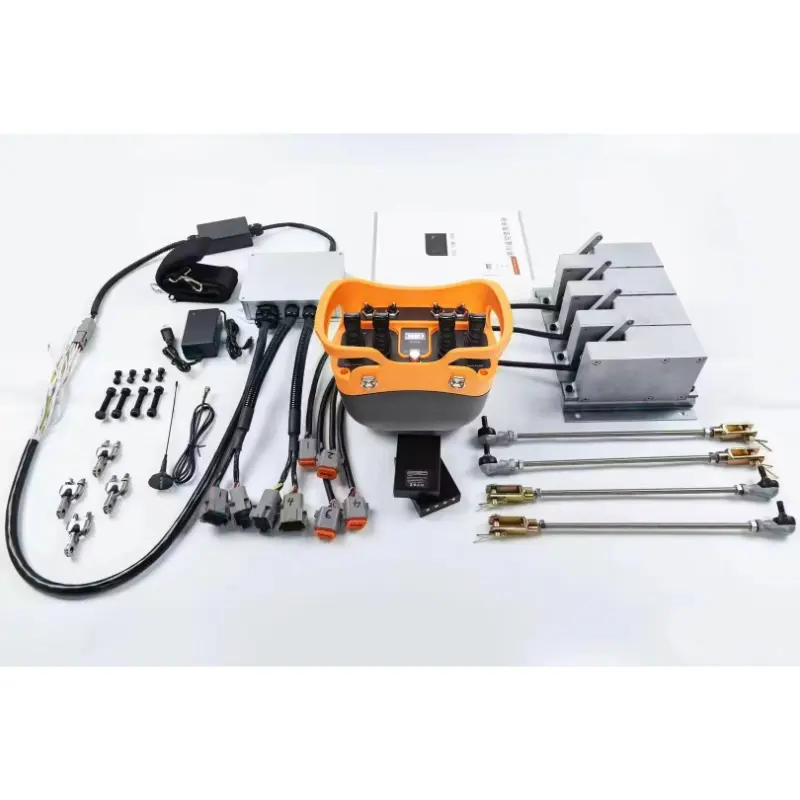
Why Is Wireless Crane Control Important for Modern Crane Operations?
Traditional crane control methods may limit operator movement and require operators to stay close to the equipment during operation. In large factories or complex working areas, this can reduce flexibility and make certain lifting tasks more challenging.
Wireless Crane Control allows operators to control cranes from a more suitable position, providing better visibility of lifting operations. This flexibility is especially valuable in industries that require frequent material handling, precise positioning, and continuous production.
For equipment such as overhead cranes and gantry cranes, reliable wireless control solutions can improve operation convenience while helping companies create more efficient lifting processes.
Key Factors to Consider When Choosing Wireless Crane Control
Communication Stability
Communication stability is one of the most important factors when selecting Wireless Crane Control. A reliable control solution should provide consistent signal transmission and quick response during crane operation.
Unstable communication may affect lifting accuracy and reduce operational efficiency. Therefore, industrial users should consider wireless systems with reliable performance and suitable communication technology for their working environment.
Control Distance
Different industrial applications require different operating distances. Large manufacturing plants, warehouses, and outdoor lifting areas may need longer control ranges to allow operators to manage cranes effectively.
Before choosing Wireless Crane Control, companies should evaluate their working area, crane movement range, and daily operation requirements to ensure the selected solution meets practical needs.
Compatibility with Different Crane Types
A suitable Wireless Crane Control solution should be compatible with different types of lifting equipment. Industrial users may apply wireless control systems to various cranes, including overhead cranes, gantry cranes, and electric hoist systems.
Good compatibility allows companies to improve existing crane operations without completely replacing their current equipment, making upgrades more efficient and cost-effective.
Adaptability to Working Environments
Industrial working conditions can vary significantly. Some facilities may involve dust, moisture, temperature changes, or heavy-duty operations.
When selecting Wireless Crane Control, companies should consider whether the control equipment can operate reliably under specific environmental conditions. Choosing suitable equipment protection levels can help maintain stable performance and extend service life.
Safety Features
Safety is another important consideration for crane operations. A reliable Wireless Crane Control solution should include safety functions that help operators manage lifting tasks more effectively.
Features such as emergency stop functions, stable signal response, and reliable control operation can help improve overall crane safety and reduce potential operational risks.
Applications of Wireless Crane Control in Industrial Lifting
Wireless Crane Control is widely used in industries where efficient material handling is required.
In manufacturing plants, wireless control helps operators manage lifting tasks with greater flexibility, especially when moving materials across large production areas.
For overhead cranes, wireless control provides operators with more freedom of movement and improves convenience during daily lifting operations.
For gantry cranes used in outdoor environments, Wireless Crane Control can support more flexible operation where fixed control positions may not be practical.
As industries continue to focus on efficiency and smart manufacturing, wireless control solutions are becoming an important part of modern crane operations.
How to Choose a Reliable Crane Remote Control Supplier?
Selecting a reliable crane remote control supplier is essential for ensuring long-term equipment performance. Companies should evaluate suppliers based on product quality, manufacturing experience, technical support, and customization capability.
A professional supplier should understand different lifting applications and provide suitable solutions according to crane type, working environment, and customer requirements.
Huafeng Shuanglong Crane provides industrial crane solutions for different lifting applications. With experience in crane manufacturing, the company can support customers with reliable equipment and customized solutions to meet various material handling requirements.
Conclusion
Wireless Crane Control offers a flexible and efficient solution for modern industrial lifting operations. By improving operation convenience, supporting safer working conditions, and adapting to different crane applications, wireless control technology has become increasingly valuable for factories and industrial facilities.
When choosing Wireless Crane Control, companies should consider communication stability, control distance, equipment compatibility, environmental adaptability, and supplier capability. Selecting the right solution helps ensure reliable crane performance and long-term operational efficiency.
FAQ
What is Wireless Crane Control?
Wireless Crane Control is a remote operation solution that allows operators to control cranes through wireless communication instead of traditional wired control methods.
What are the benefits of Wireless Crane Control?
Wireless Crane Control provides greater operating flexibility, improved convenience, and better adaptability for different industrial lifting environments.
Can Wireless Crane Control be used for overhead cranes?
Yes. Wireless Crane Control can be applied to overhead cranes and other lifting equipment to improve operation flexibility and control efficiency.
How do I choose a reliable crane remote control supplier?
A reliable supplier should provide quality products, technical support, customization options, and solutions suitable for different crane applications.