How Does a PTO Pump Power a Truck Mounted Crane Hydraulic System?
Release time: 2026-09-03
Table of Contents
A truck mounted crane may look like a single piece of lifting equipment, but its performance depends on several systems working together. Among them, the hydraulic power system plays a central role in lifting, boom movement, winching, and other crane operations. The PTO pump is one of the key components that connects the truck’s engine power with the crane’s hydraulic functions. Understanding how this process works can help equipment buyers and maintenance teams choose the right hydraulic components for their applications.
How Does a PTO Pump Work on a Truck Mounted Crane?
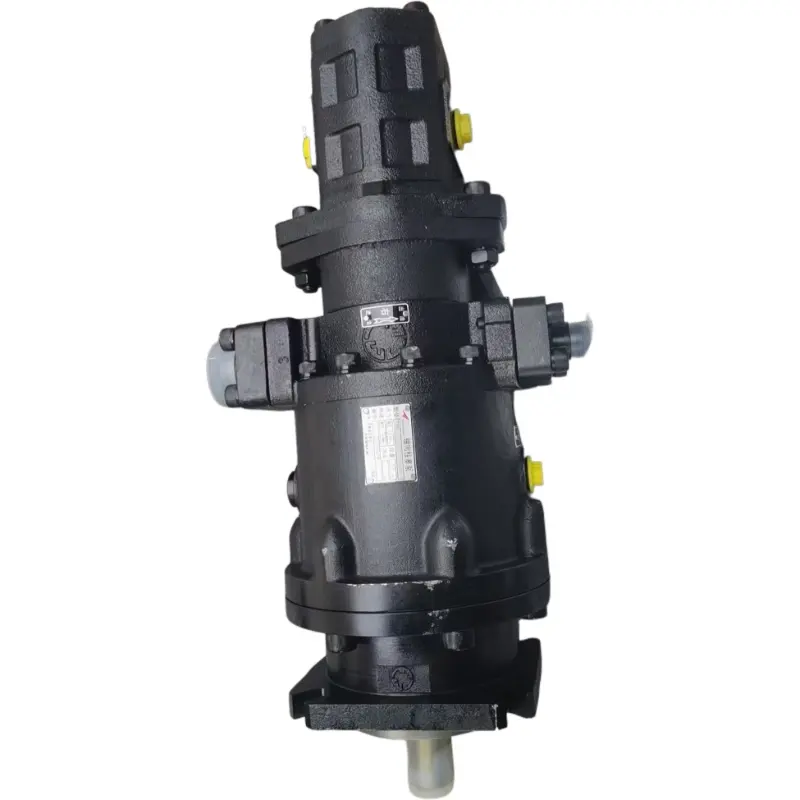
A PTO pump does not normally generate power by itself. Instead, it works with the truck’s power take-off system to use mechanical power from the vehicle engine or transmission. When the PTO is engaged, rotational power is transferred to the hydraulic pump, which converts this mechanical energy into hydraulic energy by pressurizing hydraulic oil.
The pressurized oil then moves through the crane’s hydraulic circuit. Depending on the crane design and the operation selected by the operator, hydraulic flow can be directed toward cylinders, motors, or other hydraulic components. This allows the crane to perform lifting, boom extension, retraction, slewing, and winching operations.
This process makes the PTO pump an important link between the truck and the crane. Without a suitable pump supplying stable hydraulic flow and pressure, even a well-designed crane may not deliver consistent lifting performance.
Why Is the PTO Pump Important to Hydraulic Crane Performance?
The performance of a truck mounted crane is not determined only by its rated lifting capacity. Hydraulic flow, pressure, pump displacement, engine speed, and the compatibility between components can all influence how the crane responds during operation.
For example, insufficient hydraulic flow may make boom or winch movements slower than expected. On the other hand, an improperly matched pump may place unnecessary demands on the hydraulic system or vehicle powertrain. This is why selecting a Truck Crane PTO Pump should involve more than simply checking the pump’s physical dimensions.
A suitable pump should work with the truck’s PTO configuration and the crane’s hydraulic requirements. The operating pressure and flow should also be compatible with the cylinders, control valves, motors, and other components in the system.
PTO Pump Application in a Truck Crane Hydraulic System
The following table shows how the PTO pump fits into a typical truck mounted crane hydraulic system.
| Hydraulic System Component | Main Function | Relationship with PTO Pump |
| PTO System | Transfers mechanical power from the truck | Provides driving power for the pump |
| مضخة PTO | Converts mechanical energy into hydraulic energy | Supplies hydraulic oil flow and pressure |
| صمام التحكم الرئيسي | Directs hydraulic oil | Controls where pump flow is delivered |
| أسطوانة هيدروليكية | Produces linear movement | Uses hydraulic pressure for boom or support functions |
| Hydraulic Motor / Winch | Produces rotary movement | Uses hydraulic flow for lifting or winching |
| Hydraulic Tank & Lines | Stores and transfers hydraulic oil | Completes the hydraulic circuit |
The actual configuration can vary according to crane model, lifting capacity, installation method, and hydraulic circuit design. Therefore, the pump should always be considered as part of the complete hydraulic system rather than as an isolated component.
How to Choose a PTO Pump for a Truck Mounted Crane?
When choosing a PTO pump, start with the crane’s working requirements. Pump displacement, rated pressure, required flow, rotation direction, mounting configuration, and PTO compatibility are important factors. The truck’s engine and transmission should also be considered because the PTO system must provide suitable mechanical input to the pump.
Another important point is application frequency. A crane used occasionally for light material handling may have different hydraulic requirements from one operating continuously on construction sites or transportation projects. Operating conditions, ambient temperature, load characteristics, and maintenance practices can all affect pump service life.
For buyers looking for a suitable PTO Hydraulic Pump, checking compatibility with the existing hydraulic circuit is particularly important. A pump that fits mechanically may still be unsuitable if its pressure or flow characteristics do not match the crane system.
What Happens When the PTO Pump Is Poorly Matched?
An incorrectly selected PTO pump can create noticeable operating problems. The crane may respond slowly, lifting performance may become inconsistent, or hydraulic components may experience unnecessary stress. Excessive heat in the hydraulic system can also indicate that the pump, pressure setting, or hydraulic circuit needs further inspection.
These issues are why pump selection should be based on actual operating requirements instead of price alone. For replacement projects, comparing the original pump specifications with the requirements of the current crane is a practical starting point.
For truck crane operators, equipment distributors, and maintenance teams, a reliable PTO Pump is therefore more than a replacement component. It is a critical part of the power transmission chain that determines how effectively the truck’s engine power can be converted into useful hydraulic work. Selecting the right pump can help maintain stable crane operation while supporting the performance of cylinders, valves, winches, and other hydraulic components.
When choosing a replacement or new pump, buyers can review the مضخة PTO product range and compare the configuration with their truck mounted crane’s hydraulic requirements. For a complete hydraulic solution, the pump can also be evaluated together with the main control valve and hydraulic cylinder to ensure that the major components work together properly.